

How To Avoid Moving Scam?

You've heard the stories. Movers load up your stuff one day and hold it hostage the next, demanding more money and threatening to dump your precious treasures if you don't pay.
You believe you've agreed upon a price, only to find out it's going to cost you a lot more than that.
"These salespeople are commission-based and will do whatever it takes to get a deposit on file and lock the customer into a signed estimate," says Tom O'Gorman, sales director for Gentle Giant Moving Co. "Then, when push comes to shove, there's a lot of gray area around this estimate.
"They will say, 'The estimate was based on moving only these things. You weren't packed, so it took us four extra hours to pack.'"
O'Gorman says some of these outfits give the impression that "you are dealing with a moving company, but you're really dealing with an online broker who passes the job off to some local moving company in some region for a commission. So you're not even dealing with the end user. You have no control over who ends up in your home.
MoveRescue, an organization created by moving companies, says it receives 4,000 moving complaints a year. The Federal Motor Carrier Safety Administration says more than $1.2 million in federal moving fines were issued in 2007. However, the FMCSA's information and investigations are only as good as the consumer complaints it receives.
What's your home worth?
"The consumers have to be diligent in reporting carriers," says Shashunga Clayton, a spokeswoman for the FMCSA, "because a lot of them continue with the same poor practices."
While the FMCSA oversees moves from state to state and maintains a federal complaint database, it handles only moves between states. Moves within states are regulated by the states, and local moves produce even more horror stories.
O'Gorman says disreputable local movers take stuff and run or "they deliver whenever they choose to. The problem is, many overbook their schedule and pick the more profitable jobs, leaving the other customers high and dry."
Investigate the companies
There are reliable Web sites solely dedicated to moving scams.
MovingScam.com maintains a "black list" with 376 movers currently on it.
Through ProtectYourMove.gov, a consumer can learn if a mover's license is current and if the company has ever had a federal complaint. Some states have consumer mover-advocate associations.
Make sure the moving company visits your home
"Th ey should always have a representative come to their apartment or their house and physically look at the logistics and what has to be moved," says Jim Molloy, CEO of Molloy Bros. Moving and Storage.
Good companies will spend 20 minutes or more with a potential client answering questions and giving packing tips, Molloy says, and should offer to show their warehouses for temporary storage.
"Many of these Internet companies don't even have a facility," Molloy says.
Make sure the weight of the load looks right. O'Gorman says a low-balling company will claim a 10,000-pound load is only 7,000 pounds so it can provide the low bid.
"They're not giving them a true, thorough description of everything that's being moved or planned to be moved," he says.
Get 3 estimates
When shopping for movers, it's best to get at least three estimates, says Jennifer Bonham, spokeswoman for MoveRescue.
"If you've got one that's really, really low compared to the other two, you're going to know something's up," she says.
Demand a contract that covers everything
A moving contract should spell out all the details, and there should not be any hidden charges, such as a "driver's fee."
"When you're really giving the customer information or protection, there's a lot more paperwork," Molloy says. "The scam guys make it very easy and simple: 'You're moving from point A to point B; here's your price.'
"But once they start doing the services, the contract didn't include this and that. And all of a sudden they're charging for pads, packing and all kinds of things they never mentioned."
Some movers demand a 20% gratuity on top of the bill — even before they unload the truck — with no mention of it in the contract.
"Tipping is customary, but down to the level of the customer's own discretion", O'Gorman says.
If there's no contract on the move, there's no record of sale.
"Companies that are just charging you cash, there's no transaction recorded," O'Gorman says. "They could run off with your stuff and pretend nothing happened."
Ask about the claims process
Even reputable movers occasionally drop vases and scratch tables. The difference between a good mover and a bad mover when this happens is that a good mover has a solid claims process to make sure you recoup damages.
You should learn about the claims process before signing the contract. Does the company have its own claims agent? Does it outsource claims to a third party? Do you have to go directly to the insurance company that you're buying your valuation through?
"If it's a reputable company, it would have an internal quality-control department and a contact to help you with your claim," O'Gorman says.
Related Article: Moving Tips
Moving Services
Local Residential Moving

When it comes time to move locally...
Long Distance Moving

Long-distance or interstate move
will generally...
Overseas Move

If your overseas move is on a temporary basis only
Commercial Relocation
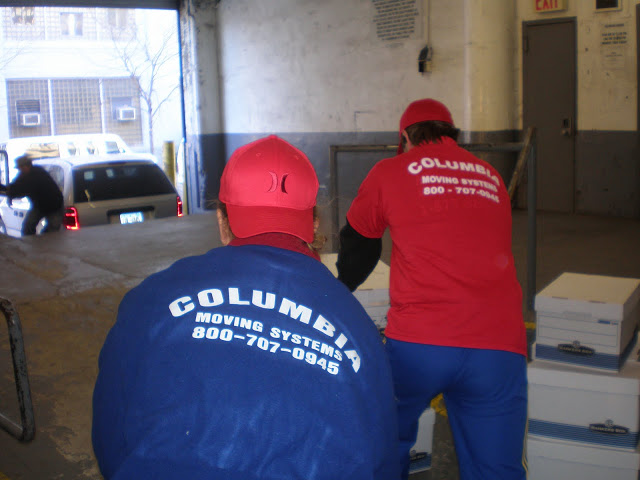
With trained commercial relocation,
experienced logistics managers...
Luxury Moving

Moving into or out of a luxury building that require Certificate of Insurance
Antique and Fine Arts Moving
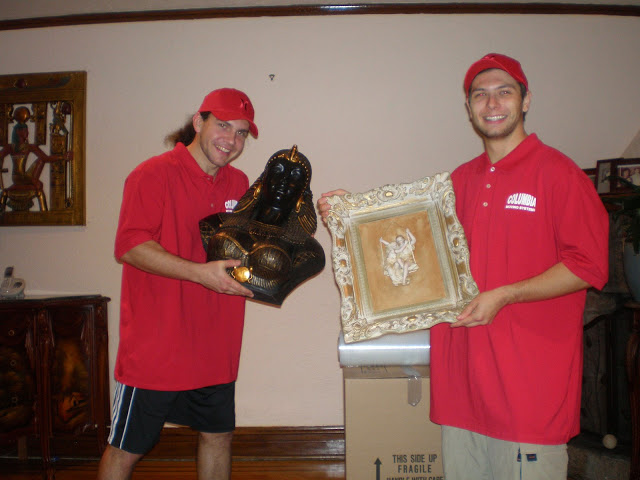
How to pack and move antiques and delicate china?...
Student Moving

Affordable Student Movers is here...
Senior Citizens Moving

Quality senior citizens moving services for many years..
In-House Moving

Hire movers to move your furniture in the house or office equipment in business.
Free Moving Kit

When you move overseas, you will probably need moving supplies..Free Moving Kit
Free In-Home Estimate
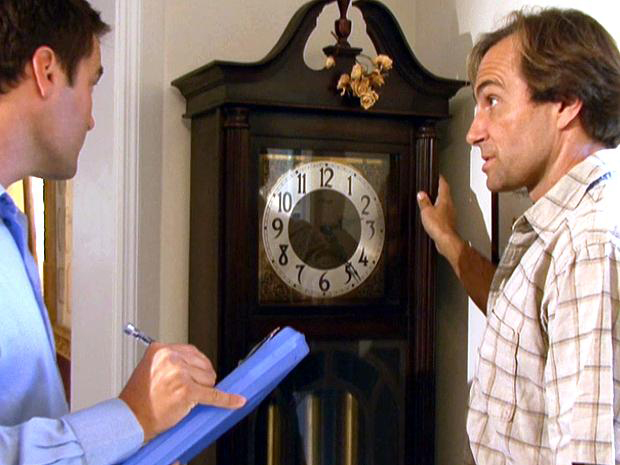
Before you learn how you can save money
with in-home estimates,
you first need to know...
Piano Movers

The question is: How do I pack and move my piano?..Piano Moving
How To Avoid Moving Scam?
You've heard the stories. Movers load up your stuff one day and hold it hostage the next, demanding more money and threatening to dump your precious treasures if you don't pay.
You believe you've agreed upon a price, only to find out it's going to cost you a lot more than that.
"These salespeople are commission-based and will do whatever it takes to get a deposit on file and lock the customer into a signed estimate," says Tom O'Gorman, sales director for Gentle Giant Moving Co. "Then, when push comes to shove, there's a lot of gray area around this estimate.
"They will say, 'The estimate was based on moving only these things. You weren't packed, so it took us four extra hours to pack.'"
O'Gorman says some of these outfits give the impression that "you are dealing with a moving company, but you're really dealing with an online broker who passes the job off to some local moving company in some region for a commission. So you're not even dealing with the end user. You have no control over who ends up in your home.
MoveRescue, an organization created by moving companies, says it receives 4,000 moving complaints a year. The Federal Motor Carrier Safety Administration says more than $1.2 million in federal moving fines were issued in 2007. However, the FMCSA's information and investigations are only as good as the consumer complaints it receives.
What's your home worth?
"The consumers have to be diligent in reporting carriers," says Shashunga Clayton, a spokeswoman for the FMCSA, "because a lot of them continue with the same poor practices."
While the FMCSA oversees moves from state to state and maintains a federal complaint database, it handles only moves between states. Moves within states are regulated by the states, and local moves produce even more horror stories.
O'Gorman says disreputable local movers take stuff and run or "they deliver whenever they choose to. The problem is, many overbook their schedule and pick the more profitable jobs, leaving the other customers high and dry."
Investigate the companies
There are reliable Web sites solely dedicated to moving scams.
MovingScam.com maintains a "black list" with 376 movers currently on it.
Through ProtectYourMove.gov, a consumer can learn if a mover's license is current and if the company has ever had a federal complaint. Some states have consumer mover-advocate associations.
Make sure the moving company visits your home
"Th ey should always have a representative come to their apartment or their house and physically look at the logistics and what has to be moved," says Jim Molloy, CEO of Molloy Bros. Moving and Storage.
Good companies will spend 20 minutes or more with a potential client answering questions and giving packing tips, Molloy says, and should offer to show their warehouses for temporary storage.
"Many of these Internet companies don't even have a facility," Molloy says.
Make sure the weight of the load looks right. O'Gorman says a low-balling company will claim a 10,000-pound load is only 7,000 pounds so it can provide the low bid.
"They're not giving them a true, thorough description of everything that's being moved or planned to be moved," he says.
Get 3 estimates
When shopping for movers, it's best to get at least three estimates, says Jennifer Bonham, spokeswoman for MoveRescue.
"If you've got one that's really, really low compared to the other two, you're going to know something's up," she says.
Demand a contract that covers everything
A moving contract should spell out all the details, and there should not be any hidden charges, such as a "driver's fee."
"When you're really giving the customer information or protection, there's a lot more paperwork," Molloy says. "The scam guys make it very easy and simple: 'You're moving from point A to point B; here's your price.'
"But once they start doing the services, the contract didn't include this and that. And all of a sudden they're charging for pads, packing and all kinds of things they never mentioned."
Some movers demand a 20% gratuity on top of the bill — even before they unload the truck — with no mention of it in the contract.
"Tipping is customary, but down to the level of the customer's own discretion", O'Gorman says.
If there's no contract on the move, there's no record of sale.
"Companies that are just charging you cash, there's no transaction recorded," O'Gorman says. "They could run off with your stuff and pretend nothing happened."
Ask about the claims process
Even reputable movers occasionally drop vases and scratch tables. The difference between a good mover and a bad mover when this happens is that a good mover has a solid claims process to make sure you recoup damages.
You should learn about the claims process before signing the contract. Does the company have its own claims agent? Does it outsource claims to a third party? Do you have to go directly to the insurance company that you're buying your valuation through?
"If it's a reputable company, it would have an internal quality-control department and a contact to help you with your claim," O'Gorman says.
Related Article: Moving Tips
| Local Residential Moving | |
|---|---|
|
When it comes time to move locally... |
| Long Distance Moving | |
|
Long-distance or interstate move will generally... |
| Overseas Move | |
|
If your overseas move is on a temporary basis only |
| Commercial Relocation | |
|
With trained commercial relocation, experienced logistics managers... |
| Luxury Moving | |
|
Moving into or out of a luxury building that require Certificate of Insurance |
| Antique and Fine Arts Moving | |
|
How to pack and move antiques and delicate china?... |
| Student Moving | |
|
Affordable Student Movers is here... |
| Senior Citizens Moving | |
|
Quality senior citizens moving services for many years.. |
| In-House Moving | |
|
Hire movers to move your furniture in the house or office equipment in business. |
| Free Moving Kit | |
|
When you move overseas, you will probably need moving supplies..Free Moving Kit |
| Free In-Home Estimate | |
| |
Before you learn how you can save money with in-home estimates, you first need to know... |
| Piano Movers | |
|
| The question is: How do I pack and move my piano?..Piano Moving |